

What is Freemasonry
A place to make friends and a difference to society
Freemasonry is one of the world’s oldest and largest non-religious, non-political, fraternal and charitable organisations. It teaches self-confidence and self-knowledge. Members are expected to be of high moral standing and often learn essential life and management skills along with teamwork, public speaking and leadership skills that can be applied to both work and social life. Freemasonry means different things to each of those who join. For some, it’s about making new friends and acquaintances, for others it’s about being able to help deserving causes and making a contribution to family and society. But for most, Freemasonry is more than just a hobby; it becomes an integral way of life, a way of life where you will form lifelong friendships with like minded people.
For more information to help you decide if Freemasonry is for you, take a look at our Guide and introduction to Freemasonry In Norfolk booklet, this can be found by clicking on the button below.
We have four important guiding principles in our path through life: integrity, friendship, respect and service. In today’s uncertain world, these principles are more relevant today as at any time during our history.
Integrity by building good people, Friendship by building together, Respect by building unity and charity by building compassion. These are things which drive and define us as Freemasons
Membership is open to men who are over 18 and from all backgrounds, race, religions and professions. Our aim is to empower members to be the best they can be – it’s about building character, supporting members, and making a positive contribution to society and the communities we live in. The United Grand Lodge of England currently has a membership of more than 175,000 meeting in over 7000 Lodges. Freemasonry brings people together irrespective of their race, religion or other perceived differences that can divide society.
If you live in Norfolk there is almost certainly a Freemasons Lodge near you. We have 74 Lodges meeting at: Attleborough, Aylsham, Dereham, Diss, Downham Market, Drayton, Fakenham, Gt Yarmouth, Harleston, Heacham, Hillington, Horning, Kings Lynn, Mundesley, North Walsham, Norwich, Sheringham, Swaffham, Thetford, Watton, Wells, Wroxham and Wymondham.
If you use the contact form below we will introduce you to the Lodge which will suit you best, depending on where you live and what interests you. On the point of special interests, we have Lodges formed around special topics. Please refer to page 12 in our Becoming a Norfolk Freemason Booklet. Please note any interests on the form below, this will help us when selecting a Lodge for you where you will feel at home with likeminded friends
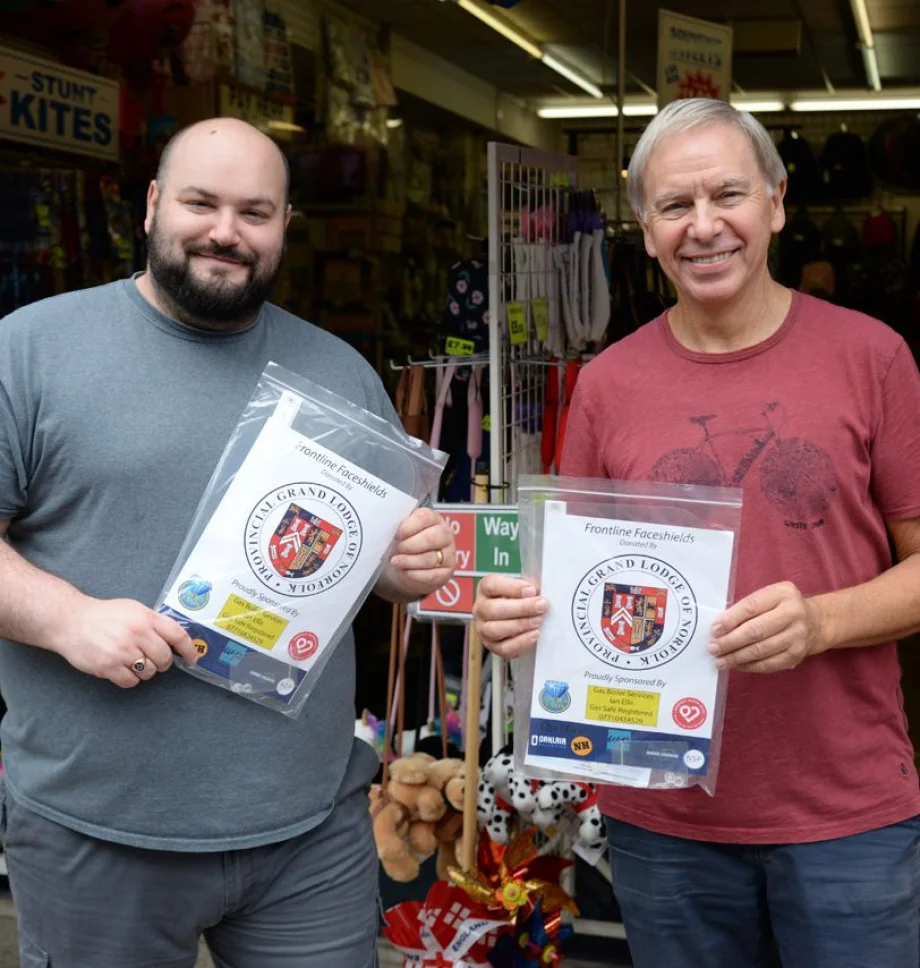
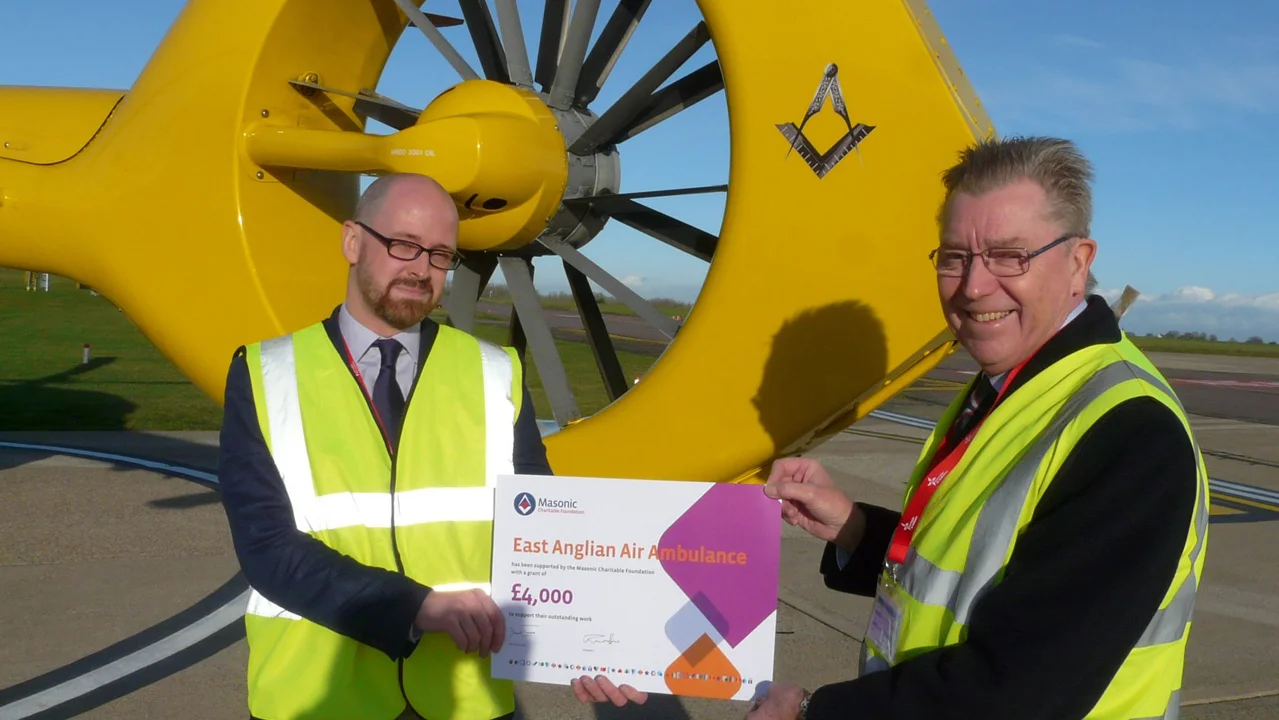
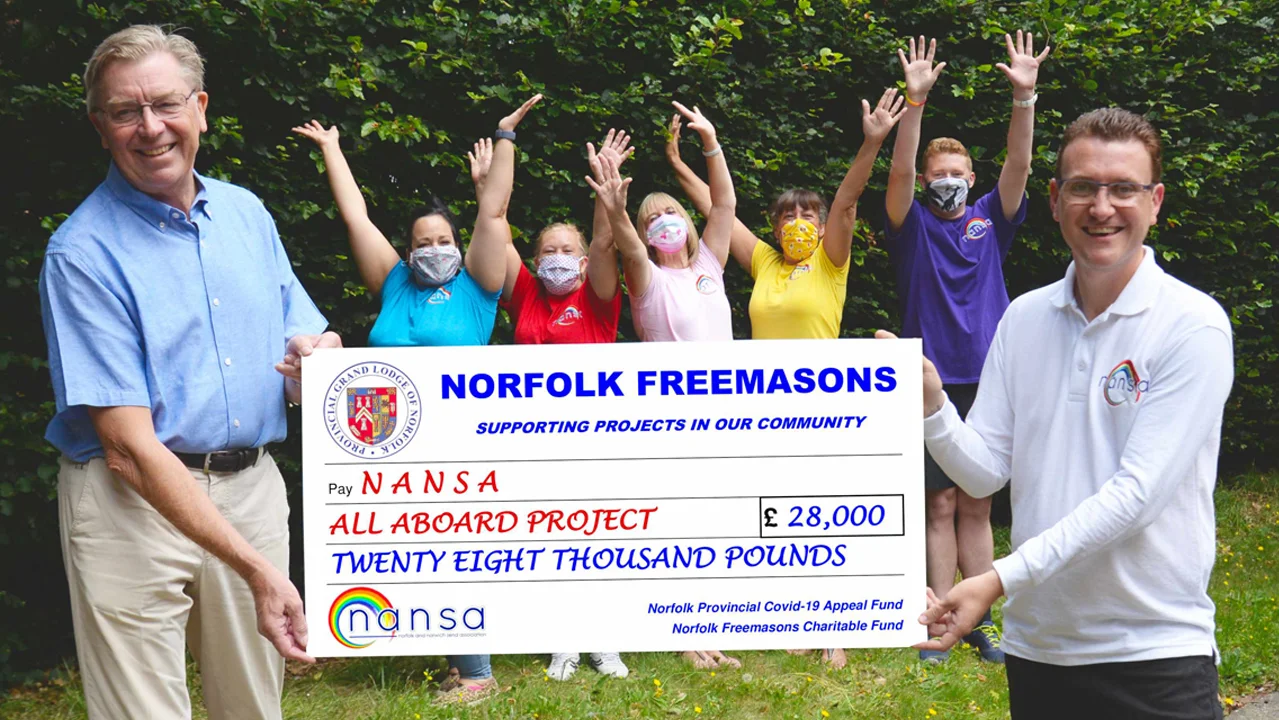
Kindness and charitable giving our deeply ingrained within the principles of Freemasonry. We provide a structure that helps members make positive contributions to communities through fundraising events and volunteering. There is also support for Freemasons and their families when life takes an unexpected turn for the worse, through a wide range of grants and support services for financial, health, family and care-related needs.
It is important to note that the large sums we raise are generated by our many members each giving small amounts, there is no expectation that any member will contribute more than he is comfortable with. More can be found on page 6 of the booklet.
No, not at all. A better description would be that Freemasonry is a society that values discretion.
A secret society tries to hide its existence, its membership, and its activities.
Freemasonry does none of those things. We have public websites, published accounts, open days, charity reports, and social media pages – and many members are quite happy to tell people they are Freemasons.
What we do have are some traditional ceremonies that are kept private. That’s not because they’re shocking or sinister; it’s because they form part of the experience for new members. It’s much the same reason you wouldn’t reveal the ending of a film or the punchline of a joke before someone has experienced it for themselves.
The principle of discretion also extends to respecting the privacy of fellow members. People should be free to share their membership if they wish, without someone else doing it for them.
No. It’s not a religion and doesn’t replace one. Members come from many different religious backgrounds – and some don’t follow a formal religion at all – but everyone must believe in a higher power. Freemasonry doesn’t define what that means; it’s a personal matter. It’s about shared values, not shared doctrine.
Yes. While Freemasonry doesn’t specify what that higher power must be, members are expected to hold some form of spiritual belief. It’s left entirely to the individual how they understand that idea.
Yes. Women can absolutely be Freemasons, and there are well-established women’s Masonic organisations in the UK, including the Order of Women Freemasons (OWF) and the Honourable Fraternity of Ancient Freemasons (HFAF).
The relationship between the men’s and women’s Masonic organisations is supported through the Council for Freemasonry in Great Britain, which brings together UGLE, the OWF, and HFAF along with the Grand Lodge of Scotland to promote a better public understanding of Freemasonry and to coordinate on matters of common interest.
So, while men and women belong to separate Masonic organisations in England and Wales, they share many of the same traditions, values, and charitable aims. The important point is that Freemasonry is not exclusively male – women have their own thriving and respected Masonic organisations, some of which have been in existence for over a century.
Lodge meetings are structured, with traditional ceremonies, talks, and discussions about moral themes using symbolic stories. There’s also very normal committee business: we approve the minutes of the last meeting, deal with correspondence, review the accounts, and make sure the finances are in good order. There are reports from officers about events, charity fundraising, and membership matters. If any members are absent through ill health or difficulty, that’s often mentioned so people can check in on them or offer support.
In other words, alongside the ceremony, there’s the same practical governance you’d expect in any well-run voluntary organisation – structure, accountability, and making sure everyone is looked after.
And then, after all that, there’s usually dinner – which is where the speeches, toasts, and most of the laughter happen.
There are traditional signs and words, but they’re just part of the heritage and symbolism, and are based on the traditions used by medieval stonemasons who, being generally illiterate, didn’t carry certificates or paperwork, but used handshakes, signs and words to prove their level of skill when being considered for a job. They’re not about power or influence.
They’re formal promises about behaving with integrity, keeping the traditional parts of the ceremonies private, and supporting fellow members appropriately. They’re not extreme, political, or life-controlling. They’re really about honour, discretion, and personal responsibility – expressed in traditional language. They sound dramatic because they use old-fashioned language, but in modern terms, it’s basically: “Be trustworthy, be honourable, and don’t spoil the surprise for the next person.”
There are traditional signs and handshakes used in our meetings, but they’re not meant to be used outside a lodge meeting, and they’re not about Freemasons covertly identifying each other in public. They’re part of the symbolism and history of Freemasonry, originally used by medieval stonemasons for recognition and to prove their professional skills. Today they’re mainly ceremonial and symbolic. It’s not a “skip the queue at the bank” handshake; it’s about heritage, not conspiracy.
In one of the early ceremonies, part of the clothing is arranged in a particular way – including one trouser leg. It’s symbolic. It represents humility and the idea that whatever your job, income, or status outside, everyone enters on the same footing. And no, we don’t walk around like that afterwards.
The apron is the most recognisable symbol in Freemasonry, and it comes from the organisation’s origins with stonemasons. Originally, they wore leather aprons to protect their clothes and tools while working. Today, it’s symbolic – it represents purity, honesty, and equality, and ensures that everyone joins Freemasonry on equal terms, no matter their background, wealth, or status.
Aprons also show your stage of progress in Freemasonry. As you advance through the degrees, your apron changes:
- Entered Apprentice (first degree): a simple white apron, representing innocence, the start of your journey, and the importance of learning.
- Fellow Craft (second degree): the apron has a bit more decoration, reflecting the new skills, knowledge, and responsibilities you’ve gained.
- Master Mason (third degree): the apron is more elaborate, with coloured trim and symbols, showing full membership and understanding of the lessons of Freemasonry.
Special officers in a lodge have their own distinctive aprons too, indicating their role in guiding and supporting the members.
So, the apron isn’t just ceremonial clothing – it’s a visual reminder of your journey, your values, and the community you’re part of. And in the lodge room, it’s a way of saying, “This is who I am in the lodge and what stage I’ve reached,” all without having to explain it every time.
White gloves are another symbolic part of Masonic dress. Traditionally, white represents purity and clean intentions. Wearing gloves is a reminder that your actions – symbolically, the work of your hands – should be honourable and upright.
There’s also a practical and historical side to it. In earlier centuries, gloves were part of formal dress, especially in ceremonial settings. Freemasonry kept that tradition to reflect the dignity and seriousness of the occasion.
So, it’s not about hiding fingerprints or being mysterious – it’s all about symbolism and tradition.
In England and Wales, much of Freemasonry’s charitable giving is channelled through the Freemasons’ Charity (formerly the Masonic Charitable Foundation). It supports a wide range of causes, including:
- Medical research
- Hospices and health charities
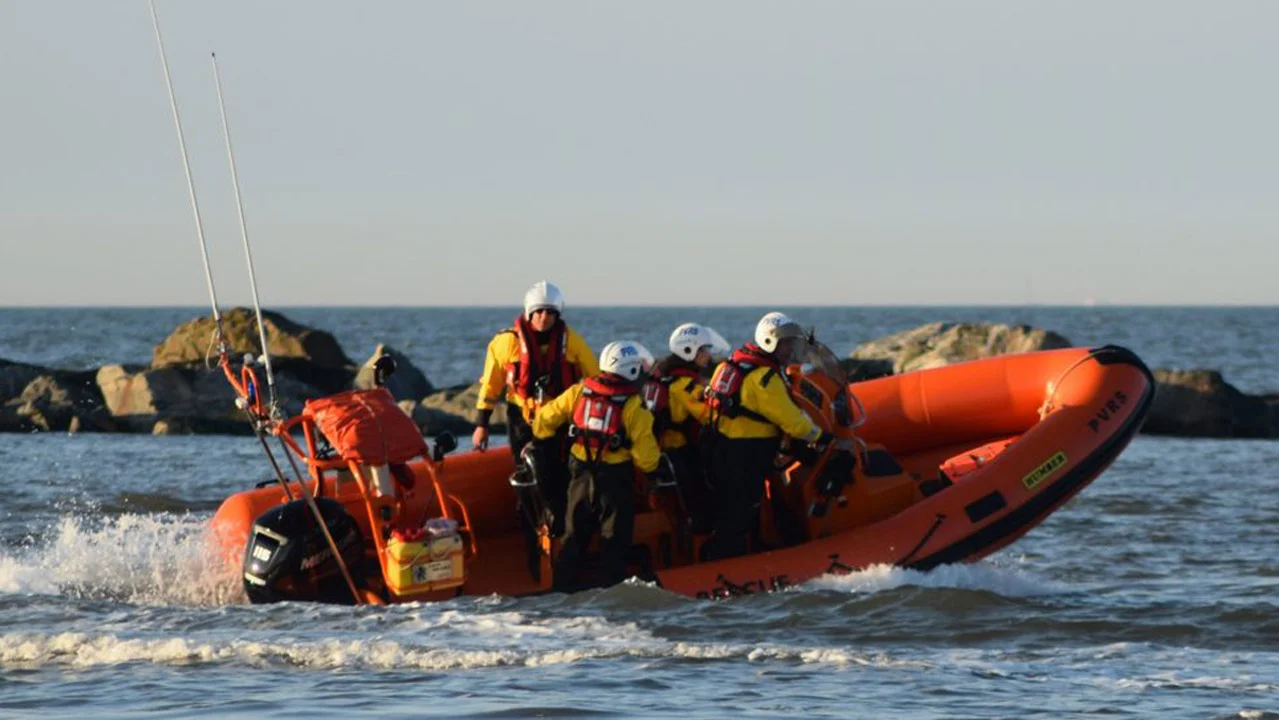
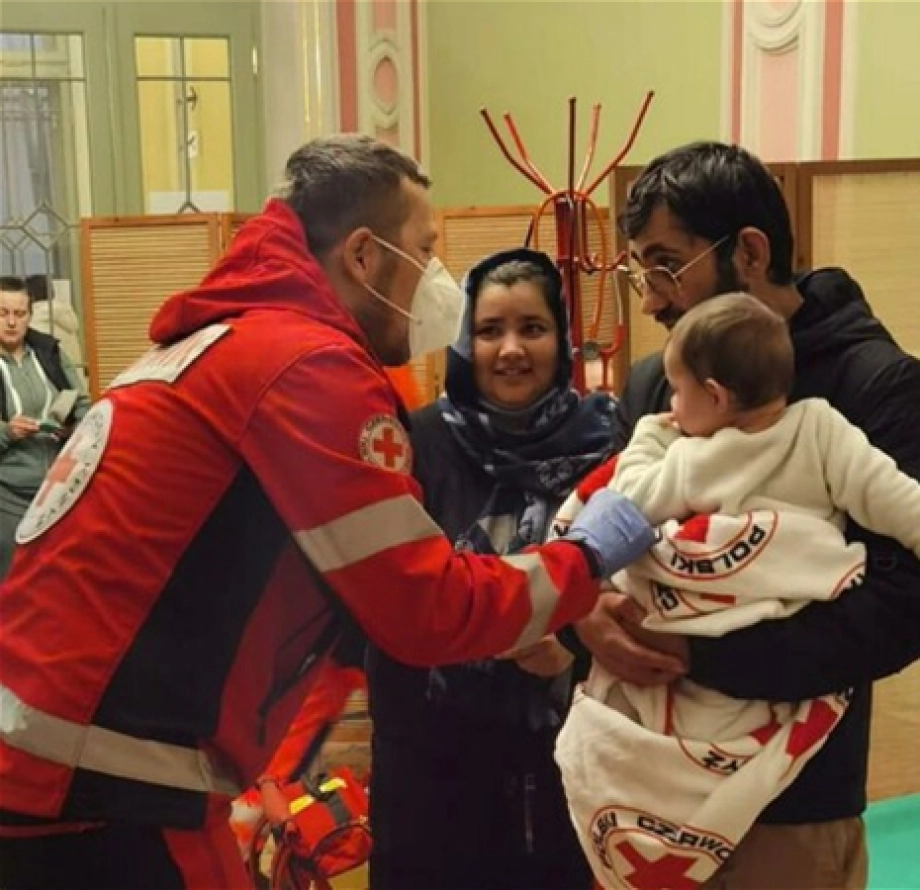
- Disaster relief in the UK and overseas
- Youth services and disadvantaged children
- Support for older people
- Grants to charities and community organisations
- Financial support for individuals and families in need
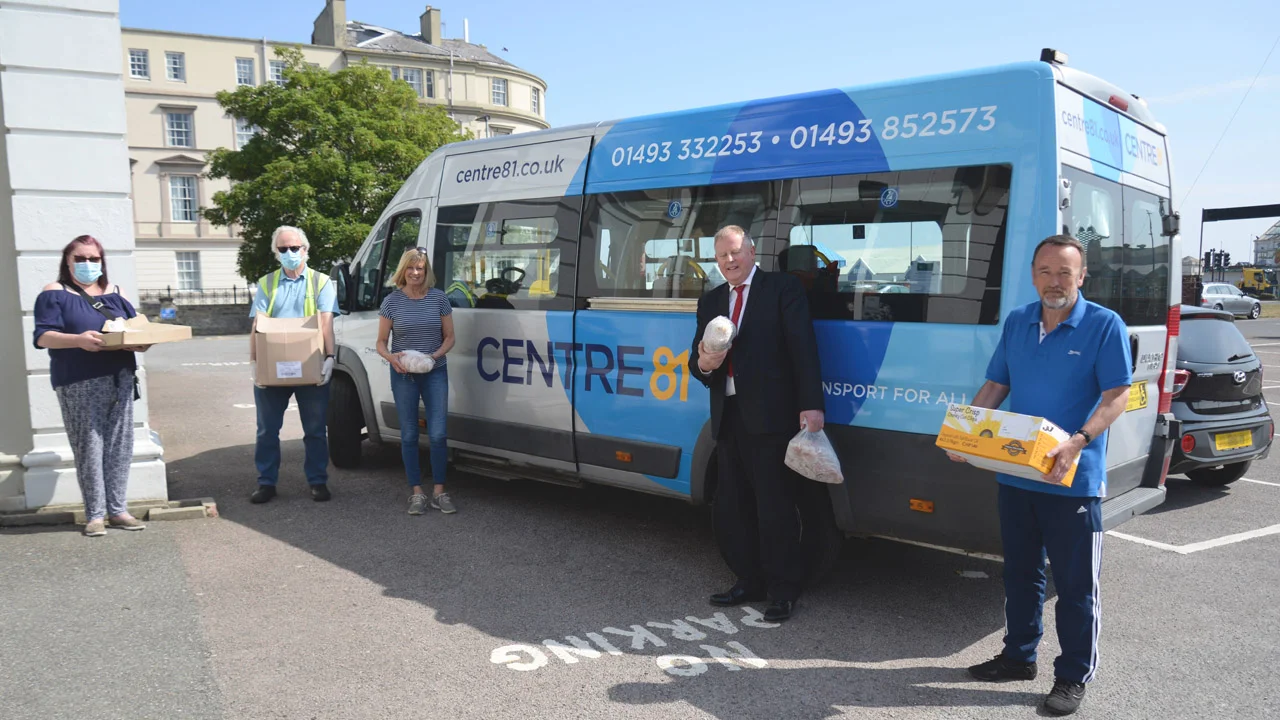
However, modern Freemasonry increasingly talks about service rather than simply charity. As well as raising money, Freemasons volunteer their time, skills, and experience to support local communities. This can include everything from helping community groups and local charities to supporting schools, youth organisations, veterans’ initiatives, food banks, environmental projects, and community events.
The aim is not simply to write cheques, but to make a visible and meaningful contribution to society. Community engagement and service now form a central part of Freemasonry’s strategy and values.
Freemasonry in its modern form dates back to the early 18th century. The first Grand Lodge was founded in 1717 in London, which brought together several existing lodges under one organisation.
That said, Freemasonry draws on much older traditions from stonemasons’ guilds and moral or philosophical societies, some of which go back to the late Middle Ages, and some manuscripts (such as the Statutes of Bologna and the Regius Poem) suggest earlier ritualistic traditions dating back to the 13th and 14th centuries. So while the “official” organisation is just over 300 years old, its roots and symbols are several centuries older.
Absolutely – Freemasonry is a global organisation, not something that only exists in Britain. It began in the UK, but today there are Masonic lodges and Grand Lodges in most parts of the world. You’ll find them in Europe, North America, South America, Africa, Asia, Australia – basically across every continent.
There’s no single worldwide governing body – instead, each country (or region) has its own Grand Lodge, which is like the head organisation that oversees lodges in that area. Many of these are recognised by each other so members can visit local lodges when they travel.
In terms of scale:
- There are around six million members worldwide.
- In England and Wales alone, there are around 180,000 members across thousands of lodges.
- In other countries, numbers vary widely – for example, large jurisdictions exist in the United States and in many European nations, and there are recognised orders in places like Sweden and beyond.
Because each part of the world has its own setup, Freemasonry can look a bit different from country to country while still being part of the same broad tradition. But the core ideals – fellowship, personal growth, and service – are shared globally.
No, although we do occasionally manage to look like we’re auditioning for a period drama. Freemasonry is open to men from all backgrounds and professions. In a typical lodge you’ll find teachers, builders, accountants, lawyers, small business owners, IT people, musicians, bankers, taxi drivers, shopkeepers – a real cross-section of everyday working life. The whole point is that inside the lodge everyone is equal. Your job title and postcode don’t matter.
There are lodges that meet in impressive buildings, and there’s some old-fashioned ceremony, which can make it feel posh from the outside. But in reality it’s far more middle-Britain than Mayfair. It’s much more about character than class
No. Freemasonry in England and Wales – under the United Grand Lodge of England – is open to men of any race, religion, background or sexual orientation. The essential requirements are being an adult man of good character and believing in a higher power.
Like many long-established organisations, its membership historically reflected the demographics of Britain in earlier decades – which is where some stereotypes come from. But modern Freemasonry is actively inclusive and far more diverse than people expect. Inside a lodge, what matters is how you behave, not who you are, who you worship, or who you love. It’s about character, not category.
No, that’s a common myth. Freemasonry isn’t meant to be a business club, a way to climb the career ladder, or a shortcut to influence. Its purpose is personal development, moral reflection, friendship, and charitable work, not exchanging business cards.
That said, there’s an inevitable side effect: by meeting people from a wide range of professions and backgrounds, you do end up knowing more people. If someone happens to need advice, a job referral, or help with a project, it’s natural to think of a fellow member, in the same way you might recommend someone who drinks in the same pub or plays in the same football team as you. But that’s incidental, not the point.
Freemasonry also has strict rules against using the organisation for personal gain or favouritism. Any attempt to exploit it for business advantage would be frowned upon – not least because it goes against the values of integrity, fairness, and mutual respect that members swear to uphold.
So yes, you might meet some interesting people. Yes, it can expand your social circle. But it’s more like meeting people while volunteering at a charity or joining a club – the main focus is friendship and shared values, not climbing a ladder.
Freemasonry is great for men’s mental health because it gives you a group of friends you can rely on – somewhere to talk, be heard, learn from the experiences of others, and feel part of a community.
You also get to form friendships across generations, learning from older members and sharing experiences with younger ones.
Finally, it’s excellent for building confidence in public speaking – not just in our formal ceremonies, but also when giving short speeches or toasts at the post-meeting dinner. The supportive environment helps that confidence spill over into work, social life, and family.
Friendship, a sense of belonging, personal reflection, and the opportunity to contribute to charitable work. For me, it’s about belonging to something meaningful, meeting interesting people from all walks of life, and having a structured way to reflect on how I can live well and do some good.
Once you have completed the application of interest below, we aim to contact you within two days by email. Within seven days of this you will have been contacted by one of our membership ambassadors. Our aim is to send your contact details to the Lodge which we feel would suit your needs within one month of you contacting us. The Lodge will then contact you to arrange an informal meeting, this will give them the chance to meet you and more importantly for you to get to know them. We want you to feel comfortable throughout the process, please feel free to ask any questions, we are happy to answer your queries.